Endometriosis & Nutrition: 8 Nutrients Your Body Needs Every Day
by Jessi
This post contains affiliate links. If you purchase through my links, I earn a small commission at no extra cost to you. Thank you for supporting Simple Root Life!
Please note: I am not a medical professional. This article is based on my personal research and lived experience with endometriosis. Always consult your doctor before changing your diet or starting supplements.
If you have endometriosis, you have probably been told to “manage your stress” or been handed a prescription and sent home. What you were likely never told is that what you eat every single day has a measurable, scientifically documented impact on inflammation, hormonal balance, and pain levels.
I know this because I lived it — and I researched my way out of the worst of it.
This article is the guide I wish I had when I was first diagnosed. It breaks down exactly which nutrients matter for endometriosis, how much you need, when to prioritize them in your cycle, and where to actually find them in real food. I’ve linked every key claim to published research so you can read the science yourself.
Why Nutrition Matters in Endometriosis
Endometriosis is driven by two core mechanisms: chronic inflammation and estrogen dominance. Both of these can be meaningfully influenced by diet.
A comprehensive review published in Nutrients in 2024 found that the most frequently observed nutritional deficiencies in patients with endometriosis concern magnesium, iron, B vitamins (especially B6 and B12), zinc, selenium, and folic acid.
A 2025 review in the International Journal of Fertility and Sterility concluded that nutrients such as antioxidants, B-complex vitamins, vitamin D, calcium, polyunsaturated fatty acids (particularly omega-3 and omega-6), and dietary fiber have shown promise in exerting anti-inflammatory and protective effects against endometriosis.
This is not alternative medicine. This is peer-reviewed science — and it confirms what thousands of women have discovered by paying attention to their own bodies.
The Key Nutrients for Endometriosis — and How Much You Need
1. Magnesium
Why it matters: Magnesium is one of the most important minerals for women with endometriosis. It relaxes the smooth muscle of the uterus, which directly reduces cramping and pain intensity. It also supports the nervous system, reduces cortisol, and helps regulate estrogen metabolism.
How much: 300–400 mg per day (EU recommended daily intake: 375 mg)
Cycle phase focus: Especially important in the luteal phase (days 15–28) and during menstruation — this is when magnesium levels drop most significantly and pain peaks.
Food sources:
- Dark chocolate (70%+): 100g contains ~230 mg
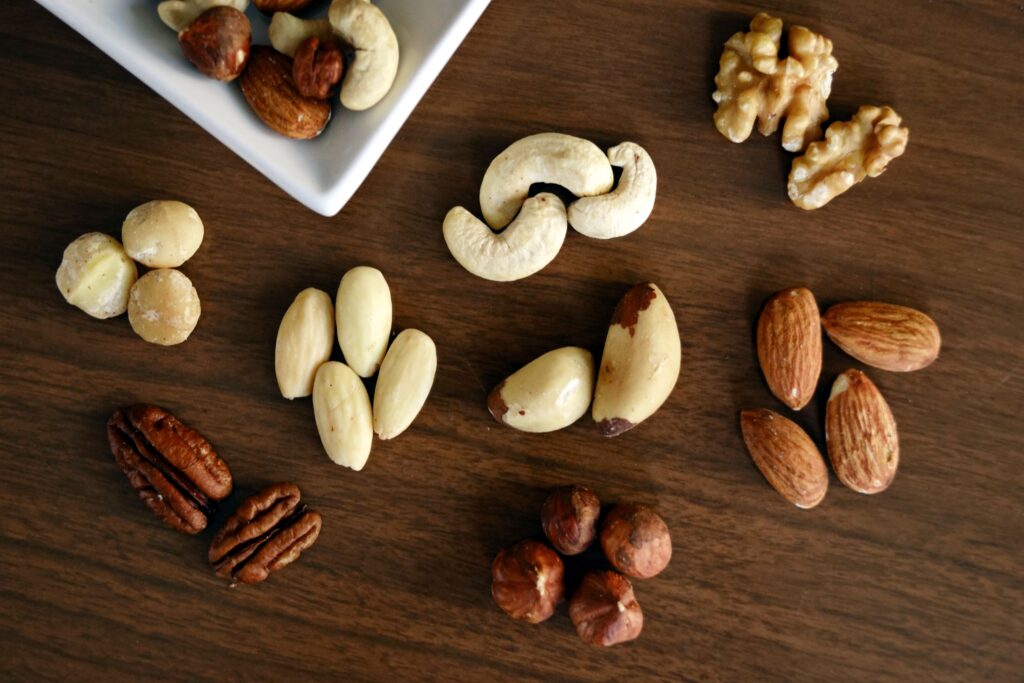
- Pumpkin seeds: 100g contains ~530 mg
- Spinach: cooked, 100g contains ~80 mg
- Black beans: 100g contains ~70 mg
- Almonds: 30g contains ~80 mg
- Fermented foods like miso and tempeh also contain bioavailable magnesium
Signs of deficiency: Severe cramps, muscle tension, sleep problems, anxiety, headaches before your period
If you’re struggling to get enough magnesium from food alone — which is common with endometriosis — I personally take Sport Research Magnesium Glycinate, which has the best absorption rate and doesn’t cause digestive upset like other forms.
2. Omega-3 Fatty Acids
Why it matters: Omega-3s are the most well-researched anti-inflammatory nutrient for endometriosis. They inhibit the production of prostaglandins — the compounds that cause uterine contractions and pain. A 2025 critical review found that decreasing endometriotic lesion size after supplementation of omega-3 was observed in animal and human studies.
How much: 1,000–2,000 mg EPA+DHA per day
Cycle phase focus: Daily throughout the cycle, but particularly important in the follicular phase (days 1–14) to build an anti-inflammatory foundation before ovulation.
Food sources:
- Wild-caught salmon: 100g contains ~2,200 mg
- Mackerel: 100g contains ~4,000 mg
- Sardines: 100g contains ~1,500 mg
- Walnuts: 30g contains ~2,500 mg (ALA, plant-based)
- Flaxseeds (ground): 1 tbsp contains ~2,350 mg (ALA)
- Fermented fish sauce (small amounts as a condiment)
For most women with endometriosis, it’s difficult to reach 1,000-2,000 mg of omega-3 from food alone. I take Nordic Naturals Omega-3 — third-party tested and molecularly distilled for purity.
Important: The omega-3 to omega-6 ratio matters enormously. Most modern diets are heavily omega-6 dominant (from sunflower oil, processed foods), which promotes inflammation. Reducing omega-6 sources while increasing omega-3 is the goal.
3. Vitamin D
Why it matters: Vitamin D acts more like a hormone than a vitamin. It has direct anti-inflammatory and immunomodulatory effects and plays a role in regulating estrogen. Studies consistently show that women with endometriosis have significantly lower vitamin D levels than those without.
How much: 1,500–2,000 IU per day (many integrative doctors recommend 2,000–4,000 IU — get your levels tested to know your personal baseline)
Cycle phase focus: Daily, year-round — especially critical in winter months in Germany where sun exposure is minimal.
Food sources:
- Fatty fish (salmon, mackerel, herring): best dietary sources
- Egg yolks: small amounts
- Mushrooms exposed to sunlight: moderate amounts
- Note: It is nearly impossible to reach optimal vitamin D levels through food alone — supplementation is usually necessary, especially in northern Europe.
Since sun exposure is minimal in Germany for most of the year, supplementation is essential. I use Vitamin D3 + K2 from Sports Research — the K2 helps with calcium absorption and bone health, which matters especially if you’ve had endo surgeries.
Signs of deficiency: Fatigue, low mood, increased pain, frequent infections
4. Selenium
Why it matters: Selenium is a powerful antioxidant that protects against oxidative stress — one of the key drivers of endometriotic lesion growth. A 2025 critical review noted that single studies evaluating the effectiveness of selenium have confirmed it as beneficial in endometriosis treatment.
How much: 55–100 mcg per day (EU recommended daily intake: 55 mcg)
Cycle phase focus: Daily — particularly in the ovulatory phase (days 12–16) to support hormonal balance and reduce oxidative stress during the most hormonally active phase.
Food sources:
- Brazil nuts: just 2–3 nuts contain your entire daily dose (~180–270 mcg) — be careful not to overconsume
- Tuna: 100g contains ~80 mcg
- Sardines: 100g contains ~45 mcg
- Eggs: 1 large egg contains ~15 mcg
- Sunflower seeds: 30g contains ~25 mcg
Signs of deficiency: Increased inflammation, thyroid dysfunction (common in endo patients), fatigue, brain fog
5. Zinc
Why it matters: Zinc regulates immune function, supports progesterone production, and reduces inflammatory cytokines. Zinc deficiency is one of the most frequently observed nutritional deficiencies in patients with endometriosis. Low zinc is also associated with estrogen dominance.
How much: 7–10 mg per day (EU recommended daily intake: 7.5–10 mg)
Cycle phase focus: Focus especially in the luteal phase (days 15–28) to support progesterone production and keep estrogen in balance.
Food sources:
- Oysters: the richest food source (~74 mg per 100g)
- Pumpkin seeds: 30g contains ~2.5 mg
- Beef (grass-fed): 100g contains ~4–5 mg
- Lentils (fermented/sprouted for better absorption): ~1.3 mg per 100g cooked
- Chickpeas: ~1.5 mg per 100g cooked
If you prefer supplementing rather than eating oysters daily, Zinc Picolinate from NOW Foods is highly absorbable and affordable. I take it especially during my luteal phase.
6. B Vitamins (especially B6 and B12)
Why they matter: B6 is essential for estrogen metabolism in the liver — it literally helps your body break down and excrete excess estrogen. B12 supports the nervous system and reduces the severity of pain signaling. Both are consistently low in women with endometriosis.
How much:
- B6: 1.4–1.9 mg per day (higher end during the luteal phase)
- B12: 2.4 mcg per day
Cycle phase focus: B6 is most critical in the luteal phase when estrogen needs to be properly cleared. B12 is important daily.
Food sources:
- B6: salmon, chicken, potatoes, bananas, sunflower seeds
- B12: animal products only (meat, fish, eggs, dairy) — if you are vegan, supplementation is essential
- Fermented foods like tempeh and natto contain some B12 (though amounts vary)
Since B vitamins work synergistically, I recommend a quality Vitamin B-Complex from Sports Research rather than supplementing them individually. This ensures proper ratios and includes methylated forms for better absorption.
7. Iron
Why it matters: Heavy periods — a hallmark of endometriosis — cause significant iron loss. Low iron leads to fatigue, brain fog, breathlessness, and makes pain harder to tolerate.
How much: 16–18 mg per day for menstruating women (higher during and after your period)
Cycle phase focus: Highest priority during menstruation (days 1–5) and immediately after. Focus on iron-rich foods and enhance absorption with vitamin C.
Food sources:
- Beef liver: 100g contains ~6 mg (highly bioavailable heme iron)
- Lentils: 100g cooked contains ~3.3 mg
- Pumpkin seeds: 30g contains ~2.5 mg
- Spinach (cooked): 100g contains ~3.6 mg — pair with lemon juice to enhance absorption
- Dark chocolate 70%+: 30g contains ~3.5 mg
Key tip: Never combine iron-rich foods with coffee, tea, or calcium — all three inhibit iron absorption. Vitamin C dramatically increases absorption.
Nutrients by Cycle Phase — Quick Overview
| Cycle Phase | Days | Top Priority Nutrients |
|---|---|---|
| 🔴 Menstruation | Days 1–5 | Iron, Magnesium, Omega-3, B12 |
| 🌱 Follicular | Days 6–13 | Omega-3, Vitamin D, B6, Zinc |
| ⭐ Ovulation | Days 12–16 | Selenium, Zinc, Vitamin D |
| 🌙 Luteal | Days 15–28 | Magnesium, B6, Zinc, Iron |
Complete Nutrient Overview
| Nutrient | Daily Amount | Best Food Sources | Cycle Priority |
|---|---|---|---|
| Magnesium | 300–400 mg | Pumpkin seeds, dark chocolate, spinach | Luteal + Menstruation |
| Omega-3 | 1,000–2,000 mg | Salmon, mackerel, walnuts | Daily |
| Vitamin D | 1,500–2,000 IU | Fatty fish, sun exposure | Daily |
| Selenium | 55–100 mcg | Brazil nuts (2–3/day), tuna | Ovulation |
| Zinc | 7–10 mg | Pumpkin seeds, oysters, beef | Luteal |
| Vitamin B6 | 1.4–1.9 mg | Salmon, banana, potatoes | Luteal |
| Vitamin B12 | 2.4 mcg | Meat, fish, eggs | Daily |
| Iron | 16–18 mg | Lentils, liver, dark chocolate | Menstruation |
What to Eat More Of
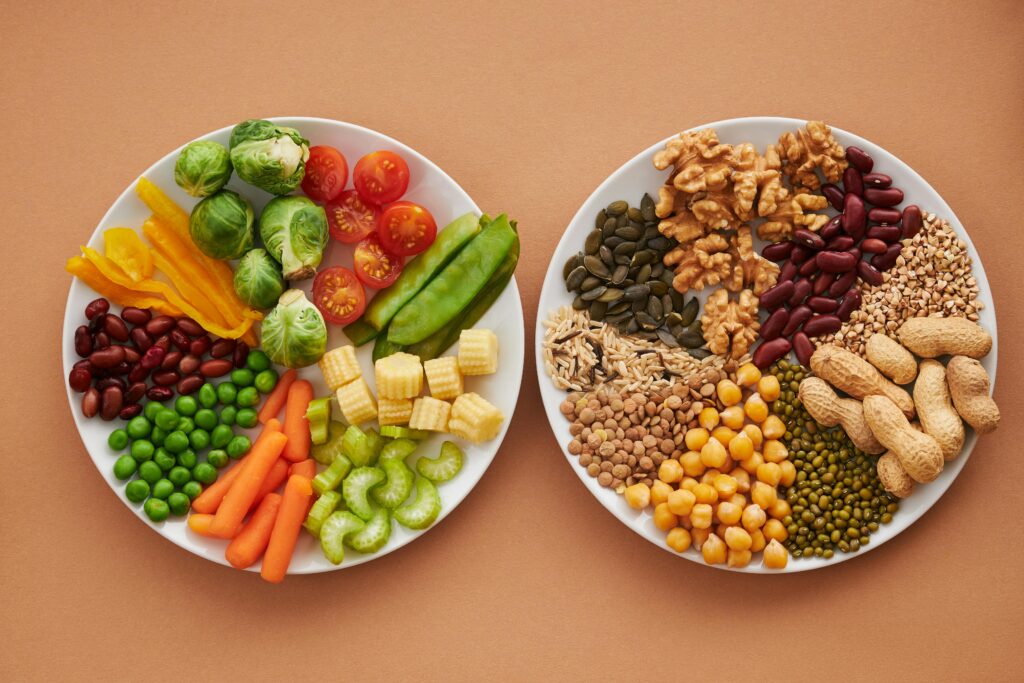
Beyond individual nutrients, the overall dietary pattern matters enormously. A 2025 umbrella review published in Foods (PMC, NIH) analyzed multiple systematic reviews and confirmed that specific dietetic strategies are useful for reducing endometriosis risk and symptoms.
Prioritize:
- 🥬 Dark leafy greens (kale, spinach, rocket) — anti-inflammatory, rich in iron and magnesium
- 🫙 Fermented foods (sauerkraut, kimchi, kefir, yogurt) — support gut health and estrogen metabolism.
- 🐟 Oily fish (salmon, mackerel, sardines) — omega-3 powerhouses
- 🫘 Legumes (lentils, chickpeas, black beans) — fiber supports estrogen clearance
- 🫐 Berries (blueberries, raspberries) — high antioxidant content
- 🥜 Seeds (pumpkin, sunflower, flax) — rich in zinc, selenium, and omega-3
- 🫚 Extra virgin olive oil — oleocanthal has been shown to reduce inflammation similarly to ibuprofen
- 🧄 Garlic and onions — quercetin content reduces inflammatory cytokines
- 🍵 Green tea — EGCG has shown promise in reducing endometriotic tissue growth
If you don’t have time to make your own sauerkraut, Bubbies Sauerkraut is raw and unpasteurized — which means the probiotics are still alive and active.
What to Avoid (or Significantly Reduce)
This is where most conventional advice stops short. But the research is clear — and my own body confirmed it long before I found the studies.
A 2025 comprehensive review found that consumption of alcohol, red and processed meats, foods high in saturated and trans fats, and excessive caffeine has been correlated with increased systemic inflammation and hormonal dysregulation — key mechanisms implicated in endometriosis pathogenesis.
Reduce or eliminate:
- 🚫 Refined sugar (table sugar / sucrose) — spikes insulin, drives inflammation, feeds the hormonal chaos that fuels endometriosis. This includes beet sugar, cane sugar, high-fructose corn syrup, and all their aliases on ingredient lists.
- 🚫 Processed and refined carbohydrates — white bread, pasta, pastries — rapid blood sugar spikes promote inflammatory prostaglandins
- 🚫 Conventional red meat and processed meat — associated with increased endometriosis risk in multiple studies; opt for grass-fed in small amounts if you eat meat
- 🚫 Alcohol — even moderate alcohol raises estrogen levels and burdens the liver’s detoxification pathways
- 🚫 Caffeine in excess — more than 1–2 cups of coffee daily has been linked to worsened symptoms in many women (listen to your own body here)
- 🚫 Trans fats and industrial seed oils (sunflower, canola, soybean oil in processed foods) — heavily omega-6, highly inflammatory
- 🚫 Gluten (for some women) — not universal, but a significant subset of women with endometriosis report dramatic symptom reduction when removing gluten. Worth trialing for 6–8 weeks.
- 🚫 Conventional dairy (for some women) — the arachidonic acid content in conventional dairy promotes prostaglandin production; some women do better with fermented dairy (kefir, yogurt) which has a different inflammatory profile
Book Recommendation
Want to go deeper? ‘It Starts with the Egg’ by Paul C. McGlothin isn’t specifically about endometriosis, but it’s become essential reading for many women managing reproductive health through nutrition.
A Personal Note
I want to be honest with you about something.
Changing my diet didn’t happen overnight. There was no dramatic day-one transformation. It was weeks of gradual shifts — adding more of the good stuff, crowding out the things that were making things worse, paying close attention to how my body responded in each phase of my cycle.
The first thing I noticed was that my luteal phase became less of a war zone. The bloating eased. The pre-period dread — that particular kind of anticipatory pain — started to lift.
Then my periods themselves became more manageable. Not painless — I want to be clear about that. But manageable. The kind of pain I could breathe through instead of the kind that locked me in bed.
That difference is everything.
The nutrients in this article are not a cure. Endometriosis is a complex disease and food is not medicine in the pharmaceutical sense. But food is information — and giving your body the right information, consistently, in the right amounts, at the right times in your cycle? That is one of the most powerful things you can do for yourself.
You deserve to know this. And you deserve to feel better.
— Jessi 🌿
Scientific Sources
- Nutrients 2024, 16(1), 154 — How Can Selected Dietary Ingredients Influence the Development and Progression of Endometriosis? — https://doi.org/10.3390/nu16010154
- MDPI Journal of Clinical Medicine, 2025 — Endometriosis and Nutrition: Therapeutic Perspectives — https://www.mdpi.com/2077-0383/14/11/3987
- Frontiers in Nutrition, March 2025 — Effect of dietary patterns and nutritional supplementation in the management of endometriosis — https://doi.org/10.3389/fnut.2025.1539665
- PMC / Foods, June 2025 — Diet and Endometriosis: An Umbrella Review — https://pmc.ncbi.nlm.nih.gov/articles/PMC12192176/
- International Journal of Fertility and Sterility, October 2025 — The Role of Nutrition in Endometriosis Prevention and Management — https://doi.org/10.22074/ijfs.2025.2029021.1683
- MDPI Nutrients, 2025 — The Role of Dietary Supplements in the Treatment of Endometriosis: A Critical Review — https://www.mdpi.com/2072-6643/18/8/1274
Found this helpful? Save it to Pinterest and share it with a friend who needs it. And if you want to start using food as part of your endometriosis toolkit, read my Beginner’s Guide to Lacto-Fermentation — fermented foods are one of the most powerful things you can add to your plate.